


Peptide Therapy for Targeted Health Optimization and Cellular Regeneration
Peptide therapy uses short chains of amino acids to direct specific physiological responses within the body. By mimicking naturally occurring signaling molecules, these peptides bind to cellular receptors and trigger targeted processes such as tissue repair, hormone regulation, and immune modulation. The precision of targeted biological signaling allows for focused therapeutic outcomes with minimal systemic disruption. Administration typically involves subcutaneous injection or oral delivery, with protocols tailored to individual biochemical needs for optimal efficacy.
What Exactly Are Peptides and How Do They Function as Therapy?
Peptides are short chains of amino acids, the building blocks of proteins, which act as signaling molecules in the body. As therapy, they function by instructing specific cells to perform a precise action, such as stimulating collagen production for skin repair or increasing growth hormone release for muscle recovery. Unlike synthetic drugs, peptides mimic natural biological processes, offering targeted intervention with lower toxicity. Their therapeutic action relies on binding to cell surface receptors, triggering a cascade of repair or regeneration at the cellular level. For practical use, this means a peptide like BPC-157 can accelerate wound healing by directing blood vessel growth, while others modulate inflammation or fat metabolism. The key to their function is bioidentical matching, allowing the body to accept them as native signals rather than foreign compounds, enabling precise biological modulation without overriding natural systems.
The Molecular Difference Between Peptides and Standard Protein Supplements
Standard protein supplements, like whey, are long amino acid chains your body must laboriously break down into smaller units. Peptides, however, are pre-fragmented, much shorter chains. This molecular difference means they bypass extensive digestion, offering a rapid, targeted delivery system. For therapy, this is critical: bioavailability and absorption speed skyrocket. A specific peptide can signal a receptor directly, whereas a whole protein gets treated as bulk amino acids. It is the difference between a precision message and a box of raw alphabet soup.
- Protein supplements contain hundreds of amino acids; peptides typically have just 2–50, enabling quicker cellular uptake.
- Whole proteins require enzymatic cleavage before use; peptides can enter the bloodstream nearly intact.
- Standard protein acts as a generic building block; a peptide’s molecular sequence dictates a specific biological function.
Key Mechanism: How These Short Amino Acid Chains Signal Cellular Repair
Peptides function as signaling molecules by binding to specific cell surface receptors, which triggers intracellular cascades that activate repair pathways. The sequence of amino acids determines receptor affinity, enabling targeted communication. For example, a collagen peptide sequence binds fibroblast receptors, upregulating extracellular matrix synthesis. The signal transduction follows a clear sequence:
- Peptide-receptor docking induces conformational change
- Second messengers like cAMP are generated
- Transcription factors such as TGF-β are phosphorylated
- Gene expression shifts toward anabolic repair proteins
This short-chain specificity avoids broad cytokine activation, reducing inflammation while promoting localized tissue regeneration.
Which Health Goals Can Peptide Protocols Address?
Peptide therapy directly targets specific health goals by leveraging short-chain amino acids that signal precise biological processes. For metabolic health, protocols like MOTS-c or AOD9604 enhance fat oxidation and insulin sensitivity, supporting weight loss without muscle catabolism. In tissue repair, BPC-157 and TB-500 accelerate healing of tendons, ligaments, and gastrointestinal lining, reducing recovery time from injury. Cognitive goals such as improved focus and memory are addressed with Semax or Dihexa, which boost neuroplasticity and BDNF levels. For aging and vitality, Ipamorelin and CJC-1295 stimulate growth hormone release, promoting lean muscle, better sleep, and skin rejuvenation. These protocols are not one-size-fits-all; they require tailoring to individual deficiencies, such as low ghrelin for appetite regulation or compromised extracellular matrix for joint support. Results depend on precise dosing, cycling, and concurrent lifestyle factors to avoid receptor desensitization. Even with optimal protocols, the body’s feedback loops may require periodic reassessment to maintain intended outcomes.
Boosting Recovery and Muscle Preservation After Injury or Aging
Peptide protocols for boosting recovery and muscle preservation after injury or aging target specific signaling pathways that regulate tissue repair and anabolism. BPC-157 and TB-500 are commonly used to accelerate healing of tendons, ligaments, and muscle tears by promoting angiogenesis and reducing inflammation, while Ipamorelin and CJC-1295 stimulate growth hormone release to counter sarcopenia in older adults. These peptides work synergistically to enhance protein synthesis and minimize catabolism during immobilization or age-related decline.
Peptides like BPC-157 and Ipamorelin directly accelerate tissue repair and mitigate muscle wasting, making them practical interventions for recovery from injury and age-related muscle loss.
Supporting Skin Elasticity, Hair Growth, and Joint Health
Peptide protocols directly target the structural decline that ages skin, thins hair, and stiffens joints. Collagen-stimulating peptides like GHK-Cu boost skin elasticity by encouraging fibroblast activity, while copper peptides also improve follicle health for stronger hair growth. Meanwhile, BPC-157 and TB-500 reduce inflammation and repair connective tissue, restoring mobility in stiff joints. Collagen-supporting peptides work synergistically to rebuild the extracellular matrix from within, offering a non-invasive approach for those seeking firmer skin, fuller hair, and resilient joints simultaneously.
Q: How quickly can peptides improve skin elasticity and hair growth?
A: Visible improvements often take 8–12 weeks, with joint mobility typically responding faster—within 4–6 weeks—due to swift inflammation reduction and tissue repair.
How Are Therapeutic Peptides Administered?
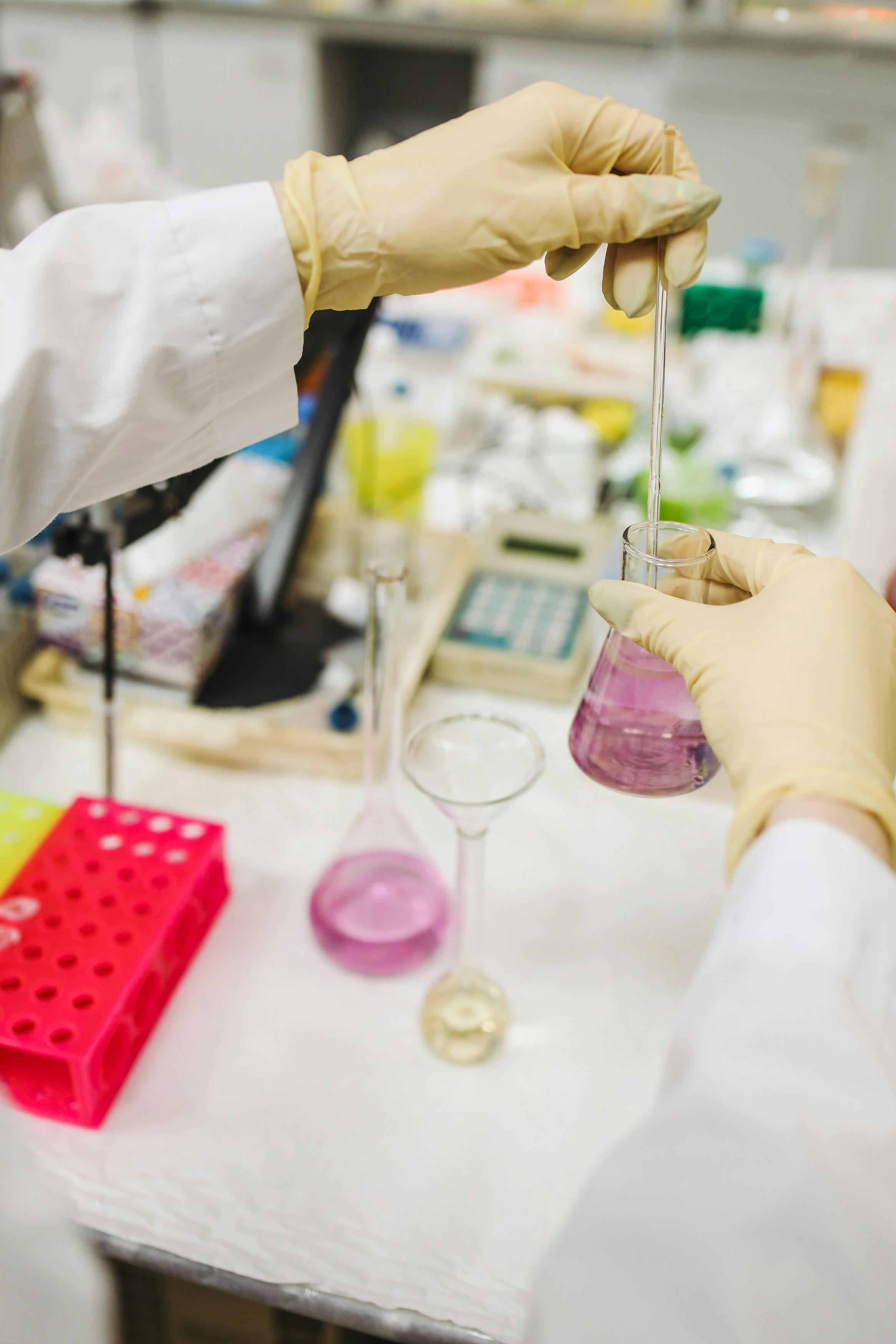
The administration of therapeutic peptides in peptide therapy is defined by bioavailability challenges, as oral ingestion typically degrades these delicate chains in the stomach. Consequently, subcutaneous injection remains the gold standard, offering direct systemic absorption through the fatty tissue. Users self-administer via small insulin-style syringes, rotating sites like the abdomen or thigh to prevent lipodystrophy. Intranasal sprays offer a non-invasive alternative for certain peptides, bypassing the gut via the nasal mucosa, though absorption is less consistent. Transdermal creams and sublingual tablets exist but are limited by molecular weight restrictions.
For optimal efficacy, precise timing relative to meals and consistent injection technique are non-negotiable, as user error directly undermines therapeutic outcomes.
Reconstitution of lyophilized (freeze-dried) peptides with bacteriostatic water immediately before use is a critical step, ensuring stability and potency for each dose.

Injectable Versus Oral or Topical Delivery Methods Compared
For peptide therapy, injectable delivery remains the clinical gold standard due to superior bioavailability, as gastric enzymes degrade most oral peptides before absorption. Topical applications bypass digestion but are limited by skin’s barrier, restricting them to localized—not systemic—effects. Oral methods present a sequence of challenges:
- Stomach acid and peptidases break down the peptide.
- Intestinal absorption is poor for larger molecules.
- First-pass liver metabolism further reduces active dose.
Injectables, whether subcutaneous or intramuscular, deliver the full therapeutic payload directly into circulation, ensuring predictable, potent results. For this reason, oral or topical routes often require substantially higher doses to achieve even a fraction of the efficacy seen with a simple injection.
Typical Dosage Ranges and Cycling Schedules for Best Results
Typical peptide dosages range from 100–500 mcg per injection, depending on the compound and your goals. For best results, most protocols run cycling schedules of 4–8 weeks on, followed by 2–4 weeks off to prevent receptor desensitization. Splitting daily doses into morning and evening shots often improves consistency for shorter-acting peptides. Common examples: BPC-157 at 250–500 mcg daily for 4 weeks, then a 2-week break; Ipamorelin at 200–300 mcg per dose, cycled 5 days on, 2 days off. Always start low and adjust upward based on response.

| Peptide Example | Dosage Range | Cycle Schedule |
| BPC-157 | 250–500 mcg/day | 4 weeks on, 2 off |
| Ipamorelin | 200–300 mcg/dose | 5 days on, 2 off |
| TB-500 | 2.5–5 mg/week | 4–6 weeks on, 4 off |
What Results Can a New User Expect in the First Month?
In your first month of peptide therapy, you typically notice subtle shifts before dramatic changes. Around week two, your sleep quality often deepens, leaving you more refreshed in the morning. By week three, first-month peptide therapy results may include a steadier mood and reduced afternoon fatigue. Physically, you might feel slightly leaner or recover faster from workouts, though visible muscle gain takes longer. Some users report clearer skin or quicker wound healing. These early signals confirm the therapy is activating cellular repair, but full adaptations like joint relief or significant fat loss require more months. The first month sets the foundation for deeper changes ahead.
Short-Term Effects on Sleep Quality, Mental Clarity, and Energy

In the first month, many new users notice short-term effects on sleep quality, mental clarity, and energy fairly quickly. You might find yourself sleeping deeper and waking up less often, which directly boosts daytime focus. That morning brain fog can lift within the first two weeks, making tasks feel easier. Energy levels often stabilize rather than spike, so you avoid the crash you’d get from caffeine. A simple table below shows the typical timeline:
| Aspect | Early Week 1 | Weeks 2–4 |
|---|---|---|
| Sleep Quality | Falling asleep faster | Less nighttime waking |
| Mental Clarity | Reduced grogginess | Sharper recall |
| Energy | Steadier morning output | Less afternoon slump |
Timeline for Seeing Noticeable Changes in Body Composition or Recovery

For body composition shifts, most users start noticing subtle changes like reduced bloating or leaner appearance around the first month milestone, typically between weeks three and four. Recovery timelines move faster; you might feel less soreness after workouts within the first two weeks. Visible muscle definition or fat loss usually requires four to six weeks of consistent use. Don’t expect dramatic transformation in 30 days—think of it as laying the foundation.
Q: Can you see muscle growth in the first month of peptide therapy?
Probably not visible growth, but improved recovery lets you train harder, setting the stage for gains in month two.
How to Choose the Right Peptide for Your Specific Need
Start by clearly defining your therapeutic goal—fat loss, tissue repair, or cognitive enhancement—as each peptide targets a distinct pathway. For example, BPC-157 excels for gut and soft-tissue healing, while Ipamorelin boosts growth hormone for lean mass. Select based on half-life, receptor affinity, and administration route. Key Q&A: Q: How do I match a peptide to my condition? A: Research the specific biochemical mechanism; AOD9604 works for lipolysis, but Tesamorelin better addresses visceral fat via GHRH agonism. Always consider your biological response and sensitivity thresholds, adjusting dosage and cycle length accordingly to avoid desensitization. Pair your peptide with a proper support stack—like adding a GHRP with a GHRH for synergistic pulse release—but never combine antagonistic compounds.
Matching Peptide Types to Goals: Growth Factors, Thymic Peptides, or Others
When matching peptide types to your goals, think of it like picking the right tool. Growth factors, such as BPC-157 or TB-500, are your go-to for accelerating tissue repair and muscle recovery. Thymic peptides, like Thymosin Alpha-1, target immune modulation, making them ideal for bolstering defenses or managing chronic fatigue. For skin regeneration or anti-aging, you might explore Copper Peptides (GHK-Cu) or fibroblast-stimulating options. Each class serves a distinct purpose—so align your choice with whether you need healing, immune support, or cosmetic enhancement. Here’s a quick breakdown:
| Peptide Type | Primary Goal | Examples |
|---|---|---|
| Growth Factors | Wound healing, joint repair | BPC-157, TB-500 |
| Thymic Peptides | Immune regulation | Thymosin Alpha-1 |
| Others | Skin health, anti-aging | GHK-Cu, KPV |
Key Factors in Sourcing Pure, Lab-Tested Compounds Safely
Key factors in sourcing pure, lab-tested compounds safely begin with requiring a Certificate of Analysis (CoA) from an independent third-party laboratory for each batch. This CoA must confirm stratelabs independent third-party verification of purity and identity, typically via HPLC and mass spectrometry. Next, source transparency demands that the vendor publicly lists the specific testing lab used, avoiding vague claims. Prioritize suppliers who provide a matching lot number on the vial and their CoA. Finally, confirm the compound’s reconstitution buffer and storage stability data, as improper handling invalidates even high-purity peptides.
What Common Mistakes Should Beginners Avoid With This Therapy?
Beginners often err by starting with excessive doses, assuming more yields better results, which increases side effects without accelerating benefits. Another common mistake is ignoring proper storage, as peptides degrade rapidly when exposed to heat or light, rendering them ineffective. Many also overlook the critical importance of timing their injections around meals or sleep cycles. Additionally, cycling on and off without a clear protocol—or failing to adjust hydration and nutrition—can undermine progress and waste both money and effort.
Overlooking Proper Reconstitution and Storage of Lyophilized Peptides
A critical mistake is neglecting the specific protocol for lyophilized peptide reconstitution. Beginners often use plain tap water or the wrong bacteriostatic water, which degrades the fragile bonds instantly. Failing to gently swirl—rather than shake—the vial creates air bubbles that oxidize and break the peptide chain. After mixing, improper storage ruins potency: leaving the vial at room temperature or in a hot bathroom destroys its effectiveness within hours. A proper routine hinges on strict steps:
- Calculate the exact amount of bacteriostatic water to add for your dose.
- Inject the water down the vial’s side, not directly onto the powder.
- Let it sit for 2 minutes before swirling gently until clear.
- Store immediately in a refrigerator at 36–46°F, never in a freezer.
Skipping these steps means injecting degraded, useless peptides.
Rushing Results Without Allowing for the Required Rest and Nutrition Protocol
Beginners often rush results by increasing peptide doses prematurely, ignoring the required rest and nutrition protocol. This mistake directly undermines the therapy’s mechanism, as peptides need consistent sleep and precise caloric timing to regulate hormonal release. Without adequate recovery intervals, protein synthesis stalls, and the intended tissue repair fails to materialize. Skipping post-injection nutrition windows, such as consuming specific amino acids, wastes the compound’s anabolic window entirely. Adherence to rest and nutrition compliance is non-negotiable for efficacy, as peptides do not work faster with reduced downtime or haphazard meal schedules.
Rushing results by accelerating protocols while neglecting prescribed recovery and dietary steps prevents peptide effectiveness, often causing subcellular wear instead of intended regeneration.